Blog

  • The Golden Age of Music Technology

    The Golden Age of Music Technology

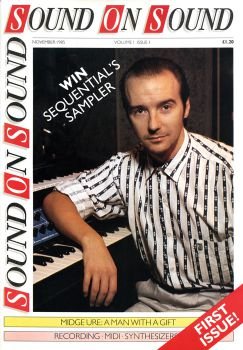
    Before the internet, if you wanted to know if a new synth was any good, you read a magazine. In the ’80s there were a ton of them, especially in England. Electronics & Music Maker started in 1981 and even had DIY projects where you could build your own gear. Sound On Sound came out in 1985, and its very first issue was already talking about MIDI and sequencers.
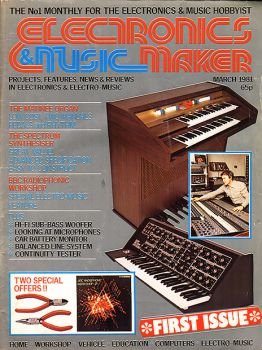
    first issue of Electronics & Music Maker, March 1981.

    The best thing about these old magazines is how honest the reviews were. They’d test a synth, list every plug on the back, compare the price to everything else, and just say it if something was bad. A lot of that info never made it online, so for some old gear, these reviews are pretty much the only record left. You can still read a lot of them for free on mu:zines.
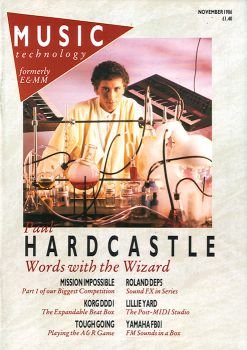
    first issue of Music Technology, November 1986.
  • The Evolution of Synthesizers and Home Music Production Over Time.

    The Evolution of Synthesizers and Home Music Production Over Time.

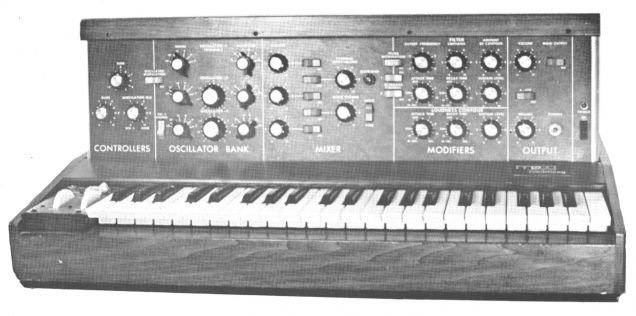
    Making music at home used to be almost impossible. In the 1960s, a synthesizer was a wall of boxes and cables, and most of them ended up in studios, not with regular musicians. Then in 1970, Moog came out with the Minimoog, a smaller keyboard you could actually buy in a music store. In 1978 the Prophet 5 showed up, and it could save its sounds, so you didn’t have to rebuild them by hand every time.

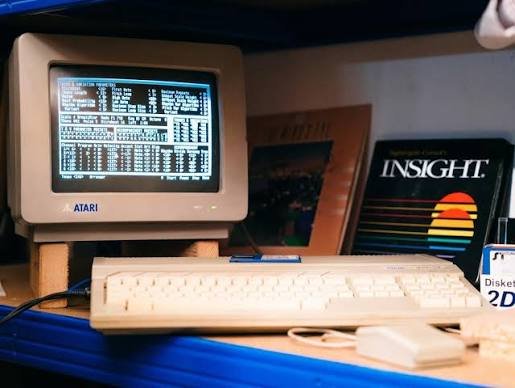
    Then recording got cheap too. In 1979, TEAC put out the Portastudio, a four-track recorder that used regular cassette tapes, and Bruce Springsteen recorded his album Nebraska on one. In 1983, MIDI let keyboards from different companies talk to each other. By 1985, the Atari ST computer came with MIDI built in, and a keyboard, tape deck and a computer on one desk added up to a whole studio.

    The Atari ST, one of the first home computers with MIDI built in.

    Big moments

    • 1970: the Minimoog
    • 1978: the Prophet-5
    • 1979: the TEAC Portastudio
    • 1983: MIDI
    • 1985: the Atari ST
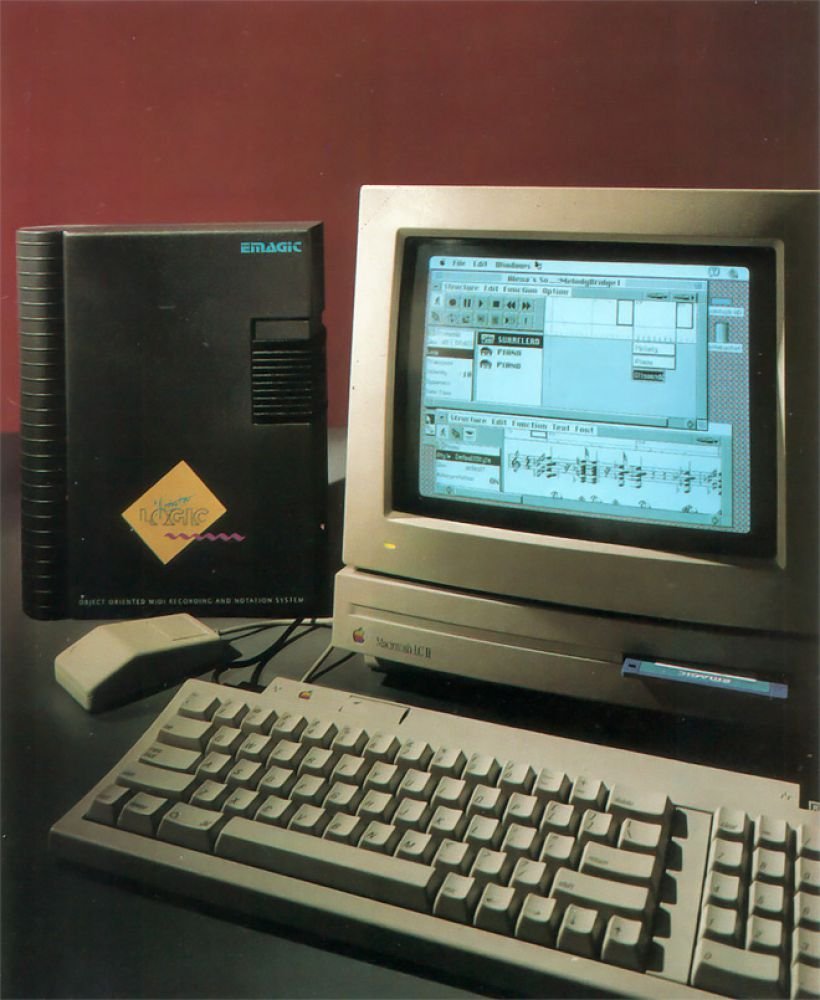
    Logic music software on a Mac.

  • Sequential Circuits MAX: A look back at back at a vintage synthesizer.

    Sequential Circuits MAX: A look back at back at a vintage synthesizer.

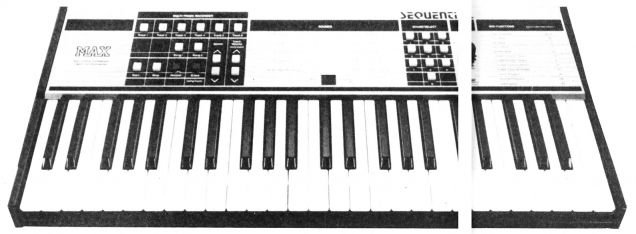
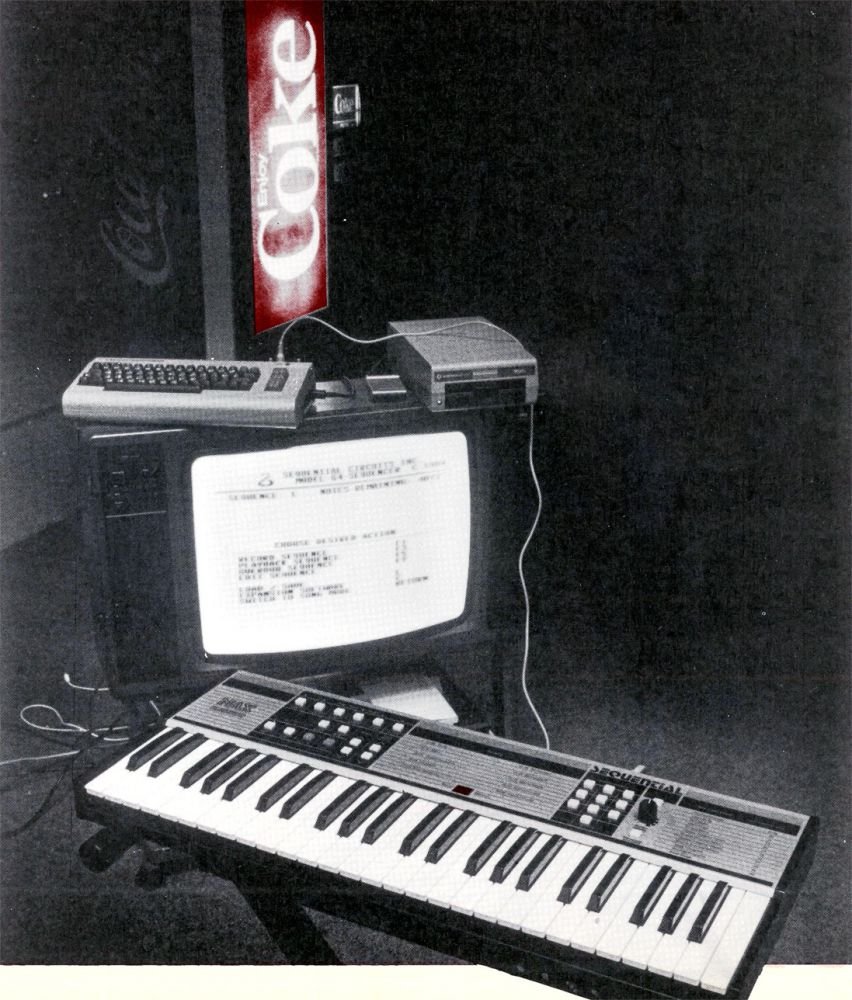
    The Sequential Circuits MAX, as shown in a 1985 magazine review.

    The MAX is one of the weirder synths Sequential Circuits ever made. It came out in 1984, right after the Six-Trak, with 80 sounds built in, everything from organs and brass to some really strange space effects. Here’s the odd part. You couldn’t program it from the keyboard at all. If you wanted your own sounds, you had to hook it up to a Six-Trak or a computer like a Commodore 64. It also had a little six-track recorder, but it wiped everything the second you turned it off. When In Tune magazine reviewed it in 1985, they basically said it was a cool idea that wasn’t finished yet, and at £725 it was a tough sell.

    The coolest part of the MAX was its little recorder. You could put a bass line on one track, chords on a few others and drums on another, then play the whole thing back from one keyboard. It even came with drum sounds built in, so you didn’t need a drum machine. The worst part was the buttons. In Tune said they felt spongy, and a few of them actually fell out during the review. There were no pitch bend or mod wheels either, so it wasn’t much fun to play live.

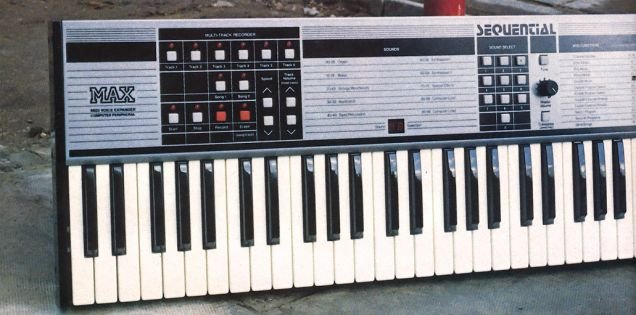
    Another look at the MAX from its 1985
    .